From SNIRF recording to traceable result
NIRWizard is a desktop application for preprocessing, analysing and visualizing fNIRS data, with a provenance record on every result. Free to use and source-available, on Linux and Windows.
Version 0.2.4, released 1 October 2026.
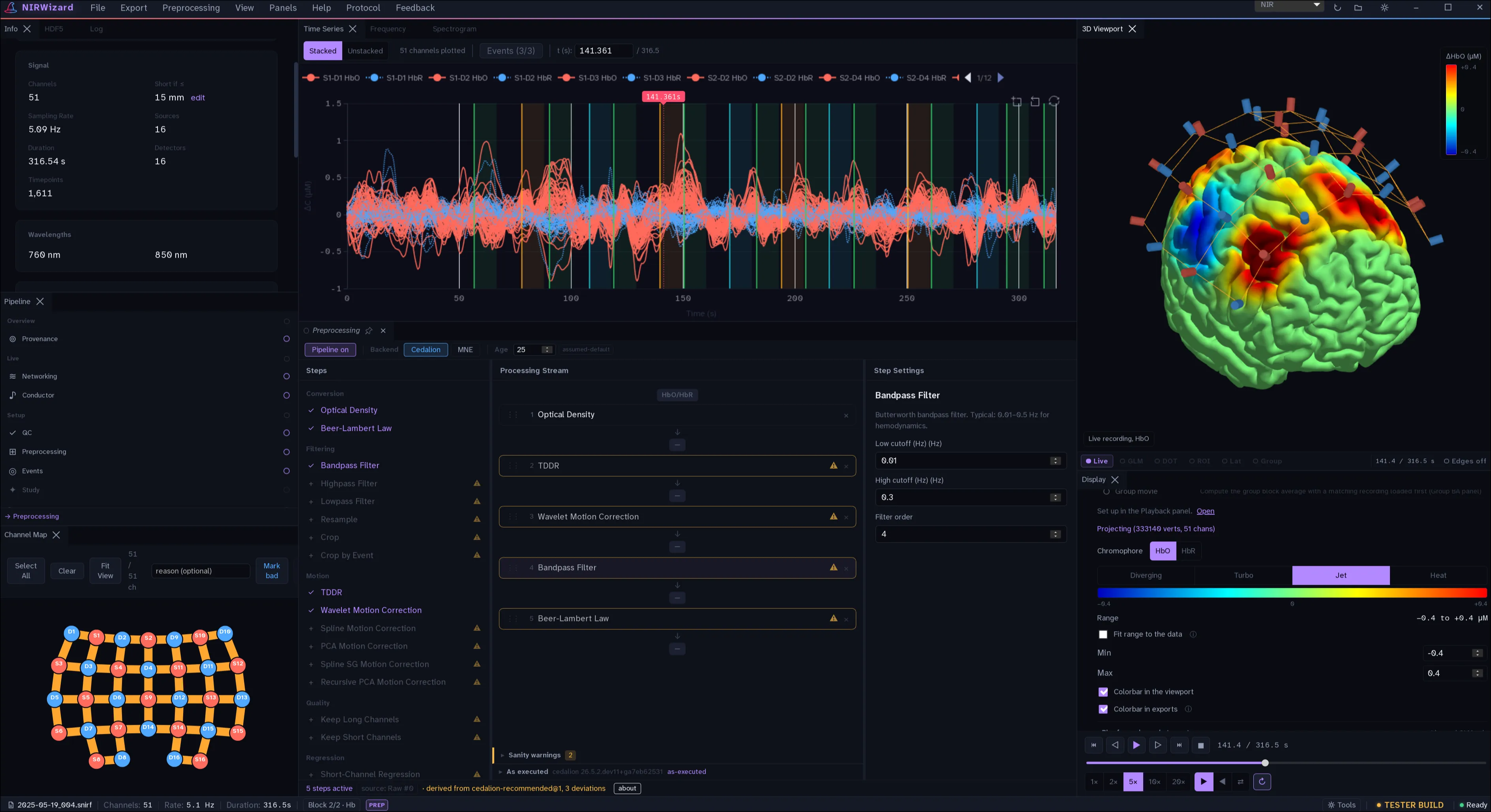
What comes after the recording
Channel space and image space, one subject and a whole study, in one application with no scripts between the steps.
-
1. Preprocessing
Clean the recording
Quality control, bad-channel and motion handling, and a step pipeline run by Cedalion or MNE, echoed back as executed.
-
2. Analysis
Get the result
Block average, GLM, connectivity, laterality and group models over a study, and the same analyses on the cortex through DOT.
-
3. Visualization
See it and publish it
Time series, spectra, the probe map, the 3-D head and cortex, and figures and exports that carry their provenance record.
Download it and open the sample recording
A left/right hand motor task ships with the app, so you have something to load before you have your own data.
- Free to use
- For research, teaching, evaluation and private study, at a university, hospital or company. No key, no fee, no registration.
- Source available
- The source is published so you can inspect, build and verify what it computes. It is not open source and not redistributable.
- Citable
- Every version is published as a tagged release, so the software behind a result can be named exactly.
And a cap for the optodes to sit in
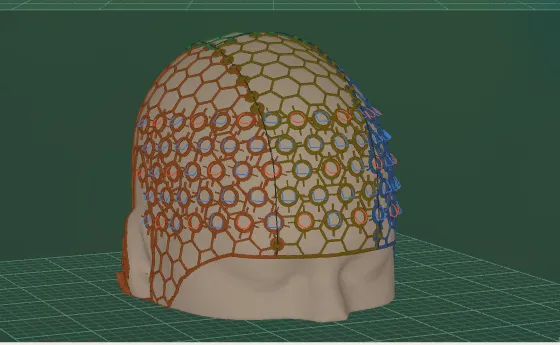
WizardHat turns an fNIRS or hybrid EEG–fNIRS montage into a 3D-printable cap for a given head size, and exports the panels and the Aurora probe files as one folder that says how it was made.
Version 0.0.6, a tester build for Linux and Windows.
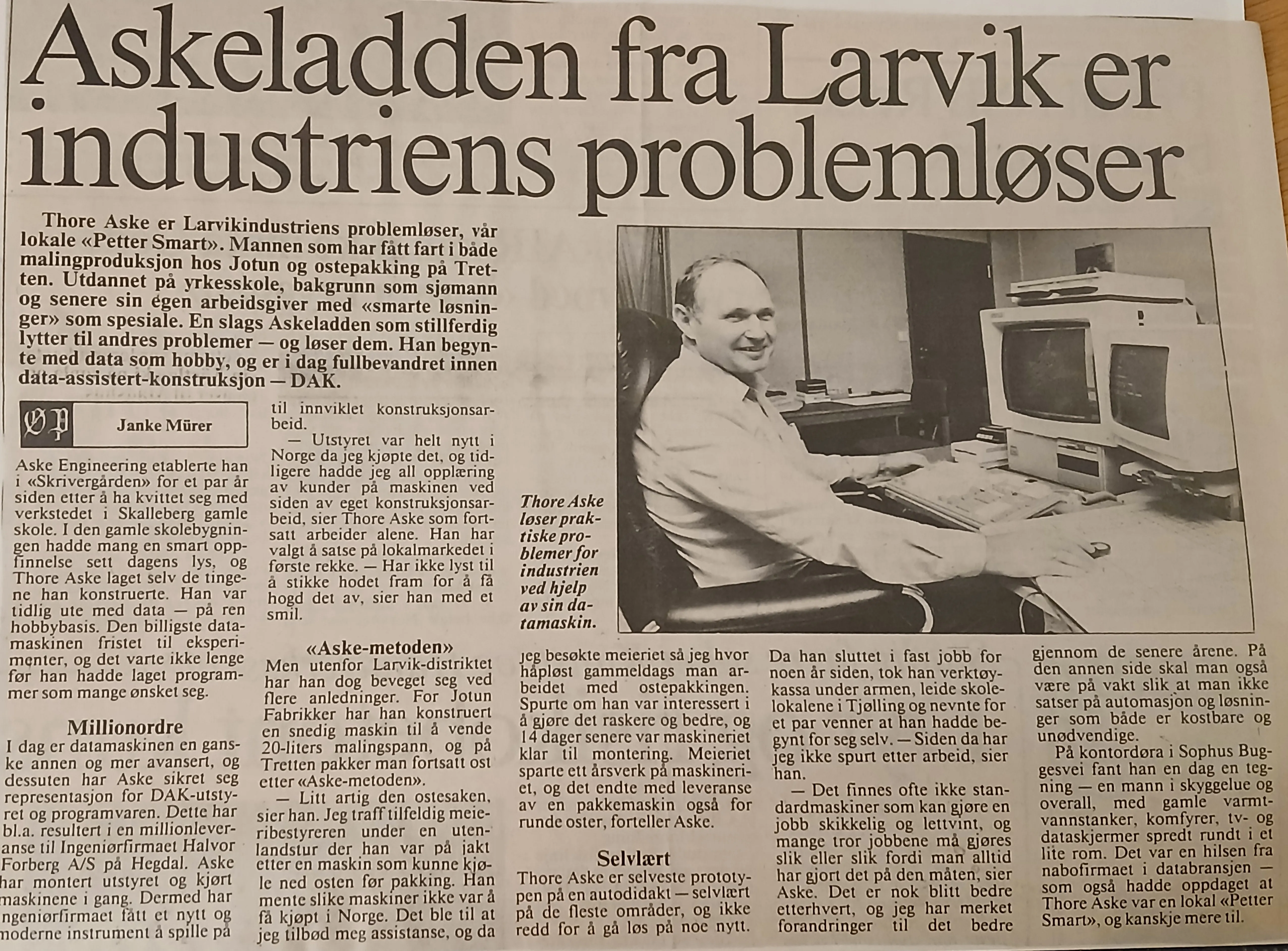
Named for Thore Aske, Larvik's problem-solver
Aske Engineering was my grandfather's company. Around 1980 the local paper called him «Askeladden fra Larvik», after the Ash Lad of Norwegian folktales, the one who solves what nobody else can. I build NIRWizard under his name.